The Amazigh Peoples are Indigenous to Morocco and the wider North African region. Numbering roughly 20 million in Morocco and more than 30 million across North Africa, they primarily speak varieties of Tamazight. Living predominantly in arid and semi-arid environments in the mountains, the Amazigh have long relied on traditional knowledge transmitted through generations to thrive in challenging climatic conditions.
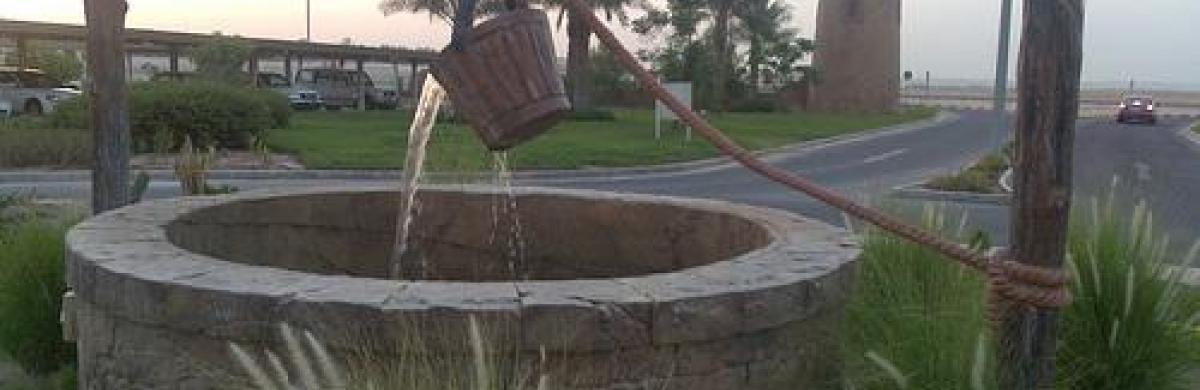
Since the 1960s, much of North Africa has experienced a decline in average annual rainfall, partly offset in some western areas by episodes of heavy rainfall and flooding. Overall, however, the region is becoming increasingly drier, heightening water stress and threatening agricultural productivity and food security. In response, the Amazigh communities continue to draw on and adapt using deep-rooted traditional practices for conserving and distributing water.
Read the full story here.
| This case story is part of a series on the LCIPP webportal showcasing the climate leadership and nature stewardship of Indigenous Peoples and local communities, rooted in traditional knowledge, values and worldviews, and local knowledge systems. The story follows the rights safeguards and protocols of the LCIPP webportal, ensuring ethical knowledge engagement and adherence to the principle of free, prior, and informed consent. Special thanks to Amina El Hajjami for sharing her traditional wisdom on water management practices of the Amazigh for this case story. This story was researched and compiled by Raghda Al-Hourani during her internship with the LCIPP Team at the UNFCCC Secretariat. |